
What is construction management? A practical guide


Construction projects bring together dozens of moving parts: design teams, subcontractors, materials, schedules, budgets, permits, and safety requirements. Without a structured approach, even small coordination issues can quickly turn into delays, cost overruns, or rework.
That’s where construction management comes in. Construction management is the process of planning, coordinating, and overseeing a project from start to finish to help ensure it stays on schedule, within budget, and aligned with project goals.
In this guide, we’ll explain what construction management is, walk through the key phases of the construction management process, outline the responsibilities of a construction manager, and explore the challenges, benefits, and tools that shape modern construction management.
Summary
- Construction management typically includes five phases: conception, pre-construction, procurement, construction, and post-construction.
- A construction manager is responsible for scheduling, budgeting, coordination, quality, safety, and risk management.
- Common challenges include labor shortages, cost overruns, miscommunication, and slow technology adoption.
- Effective construction management improves efficiency, collaboration, safety, and helps reduce rework.
- Construction management software streamlines planning, communication, and project tracking.
What is construction management?
Construction management is the professional service of planning, coordinating, and overseeing a construction project throughout its entire lifecycle.
Its primary goal is to deliver a completed project that meets the owner’s requirements while staying on schedule, within budget, and compliant with quality and safety standards.
Construction management brings structure to the complexity of construction operations. It connects people, processes, budgets, and schedules into one coordinated system so that projects can move forward predictably and efficiently.
Imagine a mid-sized commercial renovation. Several subcontractors need to complete their work in sequence — electricians installing wiring, drywall crews closing walls, and painters finishing the interior. If one trade runs late or receives outdated drawings, the delay can cascade across the entire schedule. Construction management ensures everyone is working from the same plan, timelines stay coordinated, and issues are addressed before they disrupt the project.

The construction management process
While projects vary in size and complexity, most construction management efforts follow five core phases: Conception → Pre-construction → Procurement → Construction → Post-construction. Each phase builds on the previous one, creating a continuous chain of planning, execution, and oversight.
Conception
The conception phase is where the project begins to take shape. The owner defines the project’s purpose, scope, and high-level requirements. During this phase, key activities may include:
- Identifying project goals and constraints
- Conducting feasibility studies
- Developing preliminary budgets
- Selecting the project delivery method
- Identifying major stakeholders
Construction managers may be involved early to provide high-level cost estimates, scheduling input, and risk assessments to determine whether the project is viable.
Pre-construction
In pre-construction, planning becomes more detailed. Designs are refined, budgets are updated, and schedules are developed. Typical activities include:
- Detailed cost estimating
- Schedule development
- Value engineering
- Risk analysis
- Permitting and regulatory coordination
This phase is critical. Strong pre-construction planning reduces surprises later and sets realistic expectations for cost and timeline.
Procurement
Procurement involves sourcing the materials, equipment, and subcontractors required for the project. This phase may include:
- Preparing bid packages
- Soliciting and reviewing bids
- Awarding contracts
- Ordering long-lead materials
- Finalizing subcontractor agreements
Construction managers ensure that procurement aligns with the project schedule and budget. Delays or missteps here can create significant downstream impacts.
Construction
The construction phase is where the physical building work happens. This is often the most visible stage of the project. During construction, the construction manager focuses on:
- Coordinating subcontractors
- Monitoring progress against the schedule
- Managing costs and change orders
- Enforcing quality standards
- Overseeing safety compliance
This phase requires constant communication between the field and the office. Daily reports, site inspections, and issue tracking are essential to maintaining control.
Post-construction
Post-construction occurs once physical work is complete. Activities typically include:
- Final inspections
- Punch list completion
- Testing and commissioning
- Documentation handover
- Project closeout
The construction manager ensures that all contractual obligations are met and that the owner receives a fully functional and documented project.
What does a construction manager do?
A construction manager oversees the entire project lifecycle, acting as the central coordinator between the owner, designers, subcontractors, and suppliers. Key responsibilities include:
Planning and scheduling: Construction managers develop and maintain project schedules, ensuring tasks are sequenced properly and milestones are met.
Coordination: They coordinate trades, subcontractors, suppliers, and internal teams to prevent conflicts and delays.
Budgeting: Construction managers track project costs, manage change orders, and ensure spending stays within approved budgets.
Quality and safety management: They enforce quality standards and ensure compliance with safety regulations to protect workers and maintain project integrity.
Risk management: Identifying, assessing, and mitigating risks is a core responsibility. Learn more about effective construction risk management strategies.
Communication and stakeholder coordination: Construction managers serve as the primary point of contact, keeping owners and stakeholders informed through regular updates and reports.
For entry-level professionals and assistant project managers, understanding these responsibilities helps clarify how daily tasks contribute to broader project success.
Common challenges in construction management
Construction projects operate in dynamic environments where many variables are outside a manager’s direct control. Multiple teams work simultaneously, project conditions evolve, and timelines are often tight. Because of this complexity, even well-planned projects can encounter obstacles.
Shortage of experienced workers: Labor shortages can slow progress and increase costs. Training and retention remain major concerns across the industry.
Unexpected costs and budget overruns: Material price fluctuations, change orders, and unforeseen site conditions can strain budgets.
Schedule delays: Weather, supply chain disruptions, and coordination issues frequently impact timelines.
Communication breakdowns: Miscommunication between field and office teams can lead to errors, rework, and disputes.
Slow adoption of modern tools: Some teams rely on manual processes, spreadsheets, or paper documentation, limiting visibility and increasing risk.
Understanding these challenges helps construction managers anticipate risks and respond more effectively when issues arise.
What effective construction management looks like
When construction management works well, it often goes unnoticed. Work progresses smoothly, teams stay aligned, and issues are resolved before they escalate into major problems. This doesn’t happen by chance. Effective construction management creates structure and visibility across the project so that decisions can be made quickly and teams can stay coordinated.
Here are some of the outcomes strong construction management helps deliver:
More efficient and productive job sites
Clear schedules, defined responsibilities, and proactive coordination allow crews to work without unnecessary delays. When teams know what needs to happen and when, productivity naturally improves.
Better collaboration across teams
Construction projects bring together owners, designers, contractors, and subcontractors. Effective construction management creates clear communication channels so everyone is working with the same information and aligned on project goals.
Safer, more compliant job sites
Strong oversight helps ensure safety protocols are followed and regulatory requirements are met. This reduces incidents, protects workers, and prevents costly project disruptions.
Less rework and fewer disputes
Clear documentation, coordinated drawings, and consistent field communication help teams reduce rework. Preventing mistakes before they happen saves time, money, and frustration across the project.
For assistant project managers and coordinators, these outcomes often come from small daily actions, like keeping information organized, tracking tasks, and making sure teams stay aligned. Over time, these practices add up to smoother, more predictable projects.
Learn more: 10 Key strategies for effective construction management in 2026

How technology is changing construction management
Construction teams have traditionally relied on spreadsheets, email chains, paper drawings, and manual reporting. While those tools can work, they often make it harder to keep everyone aligned, especially on fast-moving jobsites.
Today, digital tools are changing how construction managers plan, coordinate, and track projects.
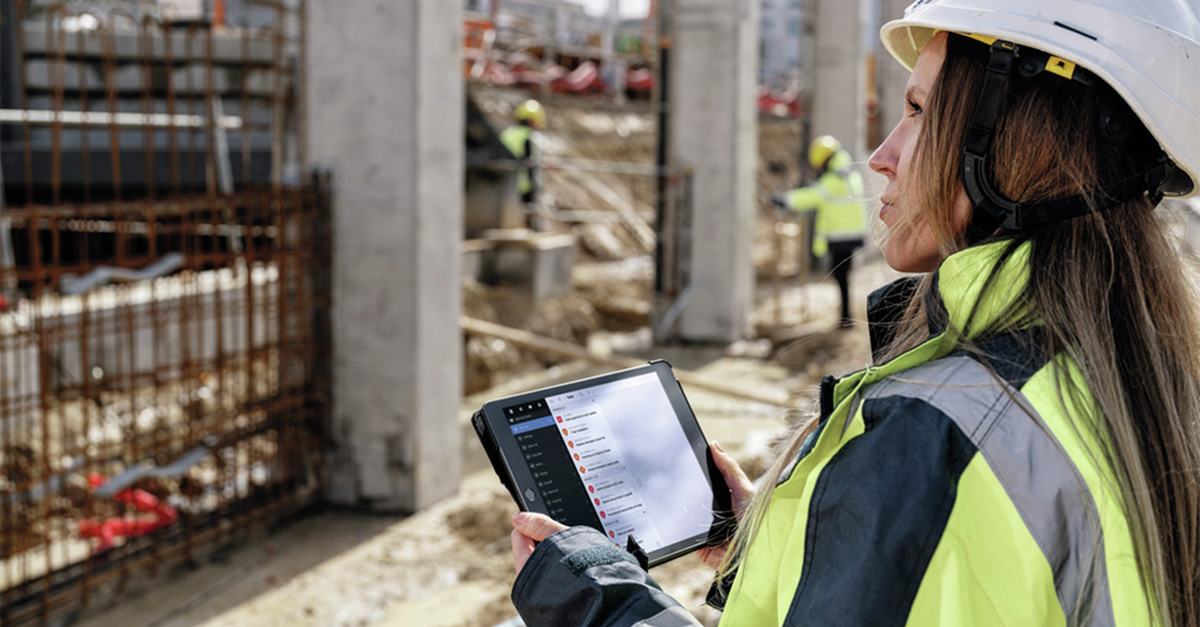
Instead of chasing updates across multiple systems, teams can centralize project information in one place. Drawings, schedules, task lists, photos, and field reports become easier to access and update, both in the office and on the job site. For construction managers and project teams, technology helps improve several key parts of the process:
Task planning and scheduling
Digital planning tools make it easier to build, adjust, and share project schedules so teams understand upcoming work and dependencies.
Field-to-office communication
Mobile apps allow crews to share updates, photos, and reports directly from the field, helping office teams stay informed in real time.
Issue tracking and documentation
When problems arise—such as RFIs, punch items, or design conflicts—digital tools help track them clearly and ensure they’re resolved quickly.
Project visibility
Centralized data makes it easier for construction managers to see what’s happening across the project and identify potential issues before they become major delays.
Many teams now rely on dedicated construction management software to bring these capabilities together. These platforms help streamline communication, improve accountability, and give project teams better visibility into daily operations.
For entry-level professionals and assistant project managers, becoming comfortable with these tools is increasingly part of the job. The ability to organize information, track issues, and communicate clearly through digital systems is now a key skill in modern construction management.
Construction management: The key to better projects
Construction projects will always involve uncertainty. Weather changes, materials get delayed, designs evolve, and unexpected site conditions appear. What separates successful projects from struggling ones is not the absence of problems, it’s how well teams are prepared to manage them.
The ability to manage information, coordinate teams, and respond quickly to change is the key to successful projects. Contractors that combine strong construction management practices with modern tools are better equipped to deliver projects safely, efficiently, and with fewer surprises along the way. In doing so, they also position themselves for long-term growth in the construction industry.
Ready to streamline your construction management processes? Explore how modern construction management tools can improve visibility, coordination, and efficiency across your projects.


