
Data center construction: what makes these builds different
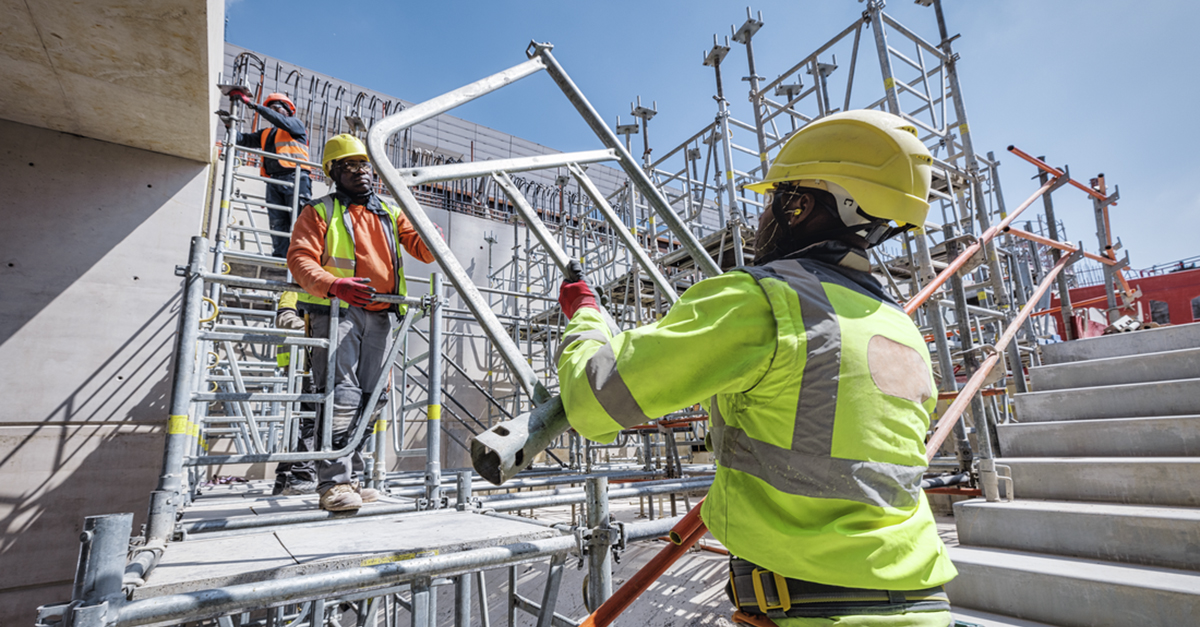
Two weeks before IT equipment installation, a field crew on a 10 MW data center discovered the chilled water main was routed 6 inches too low, blocking the primary cable tray path to 40% of the server cabinets. Rerouting the tray forced rework and pushed installation back on a data center construction schedule that had no slack to absorb it. Nobody caught it in the model. Someone caught it with a tape measure, in the field, after the pipe was already hung.
Data center jobs are MEP coordination problems inside a building shell. They run on compressed timelines where a single documentation gap or missed inspection can affect sequencing and turn a rework line item into a broader budget and schedule issue. On a large AI facility, every month of delay can carry major financial implications.
What this article covers:
- Dense MEP, redundancy, schedule risk, and procurement constraints create the main data center construction pressures.
- Power and cooling make the building shell serve the equipment, not the other way around.
- MEP coordination succeeds when priority rules reach crews before contested spaces become field conflicts.
- Real-time, location-tagged records keep inspections and closeout from turning into schedule blockers.
- Long-lead equipment forces teams to resequence field work around delivery dates.
- Mobile, offline tools help crews coordinate conflicts, tasks, and records from the point of work.
What makes data center construction different from other commercial builds
On a data center, mechanical, electrical, and plumbing systems drive the job. The physical work centers on power and cooling, plus the controls that keep them stable. Power density in a data hall runs far above what a standard office is built to support. You're building a structure whose entire reason for existing is to move power and heat.
Redundancy adds a requirement that standard commercial projects rarely match. Higher-resilience facilities add redundant and fault-tolerant system requirements that duplicate critical infrastructure. A 2N configuration duplicates the entire power infrastructure. If a facility needs ten transformers, 2N requires twenty. Every one of those redundant systems is a physical object competing for space on the same jobsite.
The money and the clock make it worse. Individual projects can reach enormous capital budgets, and construction costs keep rising. All of that races toward a fixed, go-live date. When projects face delays, the pressure lands squarely on the field teams doing the work.
The MEP complexity unique to data center builds
Data centers pack unusually dense MEP into tight spaces, and most rework pressure starts in the spaces where these systems collide and where multiple trades are chasing the same square footage.
Massive power, cooling, and redundancy systems in a small footprint
Major systems in a data center compete for the same ceilings, risers, shafts, and service corridors. Mechanical ducts, electrical conduits, plumbing pipes, and fire protection systems often have to be coordinated through the same building cavities, and independently designed routes can create field conflicts fast. Data centers also contain unusually heavy cabling demands: power cables, fiber, copper data lines, and control wiring all fighting for pathway space.
The overhead ceiling is one of the most contested zones. Return-air paths often have to stay mostly open, but cable trays and overhead busway both want that same space. Coordinated MEP modeling establishes priority rules so large mechanical systems get priority, then fire suppression and cable trays follow a route the field can actually build. The raised floor can create the same coordination pressure, where power distribution, cooling, cabling, and grounding all compete beneath the surface.
Redundancy multiplies all of it. A 2N configuration means separate utility feeds, switchgear lineups, UPS systems, and distribution paths, with each side sized to support the full load. That's double the equipment jammed into the same footprint. The reroute example above was a predictable outcome of dense field coordination. It happens when a conflict this dense gets discovered after the pipe is already in the air. Earlier field verification would have given the crew a buildable path before installation.
Coordinating dozens of specialized trades in the same space
More disciplines share a data center footprint than almost any other commercial job, and their work has to happen in a specific order. Electrical work alone is a major share of the job, with mechanical trades adding another large block of work. On the ground that means several specialized crews working the same building:
- High- and low-voltage electricians
- HVAC technicians, pipefitters, and plumbing crews
- Ironworkers and fire protection crews
- Low-voltage and controls techs
- IT and telecom contractors
- Commissioning engineers
During MEP installation, electrical, cooling, structural, and IT dependencies become a common source of rework and delay. Those dependencies have to be managed in sequence. Miss a dependency and the whole timeline suffers cascading delays. Common conflicts read like a bad day on any big job, multiplied: fire suppression conflicting with electrical routing or plumbing blocking mechanical access.
The teams that stay ahead of this resolve conflicts in the model first. Coordinated BIM can help resolve major conflicts before construction begins. But a conflict caught in the model only helps if the field crew can see it at the point of work. A mobile BIM viewer lets VDC managers, project engineers, and MEP contractors put the coordinated model in the hands of the crew, so a clearance can be verified on the spot before anyone reaches for a cutting wheel.

Why documentation and compliance carry higher stakes here
Inspection-ready paperwork helps teams keep schedule decisions tied to the work that was actually installed. The combination of aggressive go-live dates and multi-layer compliance for data centers means records have to be captured as the work happens.
How one missed inspection can trigger a stop-work order
A missed inspection can halt affected work, and a missing record can escalate into a stop-work order. That's the clearest version of a problem every commercial project has, and on a data center the costs add up quickly. Stop-work orders add direct and remobilization costs while increasing schedule risk across the job.
Documentation often gets grouped and produced late instead of progressively. Commissioning records and asset registers live in separate systems, with hazardous energy controls tracked elsewhere. In practice, rework often stems from poor communication, incomplete project information, skipped steps, incorrect installations, and inspections that got missed.
Capture records in real time and tie them to the exact location, so the team has a record before an inspector shows up. When an RFI or an inspection result gets logged the moment the work happens, with photos attached and the related task or field note pinned to a spot on the plan, the team has a searchable audit trail.
Multi-jurisdiction regulatory and energy-efficiency requirements
Data centers answer to a stack of codes that few other commercial buildings touch all at once. A primary energy standard is ANSI/ASHRAE 90.4, which sets data center energy-efficiency and documentation requirements, including record drawings within 90 days of system acceptance. Data center teams also manage IBC, IFC, and IECC building codes, the National Electrical Code with its selective coordination requirements, and fire protection standards NFPA 75 and NFPA 76.
Then it gets local. Jurisdictions adopt different edition years for different codes, and authorities having jurisdiction increasingly apply their own amendments, especially around battery storage. Water-related permitting and reporting requirements are now their own layer in some states. For a field leader, your documentation has to satisfy several inspectors reading from several rulebooks, and it has to be ready when they walk the site.
Long-lead equipment and how it reshapes field sequencing
With transformers carrying lead times well over 60 weeks and switchgear and UPS systems also facing extended procurement windows, the critical path often runs through a transformer factory floor. Field sequencing has to follow equipment delivery dates, which breaks the clean linear schedule, and the lead times are staggering.
Substation transformers can stretch well beyond typical construction timelines. Long waits also affect generators, chillers, and UPS systems. Those lead times become one of the forces that drives the whole job: when procurement logic is ignored, schedules can be squeezed before construction even starts.
For field teams, work planning becomes a set of packages sequenced around when the gear actually shows up. Crews build around equipment that hasn't arrived yet, staging and prepping so that when a transformer finally arrives, installation isn't waiting on anything else. That only works when the field can re-sequence in real time. When plans and tasks are pinned to specific locations, a foreman can shuffle work around a delivery date while the office updates the broader plan and pushes it back out.
How field-first, mobile technology keeps pace with data center complexity
Every challenge above comes down to the same thing: coordination at speed, on a jobsite where the stakes are high and the tolerance for error is low. That calls for a platform built around the people actually doing the work, not the office managing them from a distance. Fieldwire is built for exactly that. It gives trade and specialty contractors reliable access to plans, tasks, quality control, and documentation from any device. On a data center, where a missed conflict or a lost record can become a major budget and schedule issue, that field access helps teams catch an issue early and address it before rework grows.
Real-time MEP conflict coordination in the field
Catching a clash in the model only helps if the crew can see it before they install over it. Fieldwire's BIM viewer lets field teams work with 3D models on phones and tablets, access object metadata in seconds, and take measurements to verify clearances on the spot. For the VDC managers, project engineers, and MEP contractors running data center coordination, that means the priority rules worked out in the office travel to the point of installation.
The crew checks the coordinated model against the actual condition before the work goes in. A soft clash on clearance access or a hard clash in a contested ceiling zone gets flagged as a task, pinned to the exact spot, and routed to whoever owns it. That's how you resolve the reroute in the model before it reaches the field.
Documentation that keeps up with aggressive timelines
The stop-work risk lives or dies on whether records exist when the inspector shows up. Fieldwire helps teams capture RFIs, submittals, change orders, punch lists, inspection results, photos, tasks, and field markups in real time, with work tied back to plans and locations where supported. A crew adds photo attachments straight from the jobsite to a task or field record, and it's part of a searchable audit trail from the moment it's created.
That matters most on the compressed timelines data centers run on. When ASHRAE 90.4 requires record drawings after acceptance and a local AHJ wants documentation its own way, records are already tied to the work, with field photos, markups, and tasks connected to the installed condition. As-builts capture field markups as they happen, and closeout stops being a weeks-long scramble. Field teams can save up to one hour per day per person on the jobsite, most of it clawed back from chasing information.
Keeping distributed trades aligned from the field
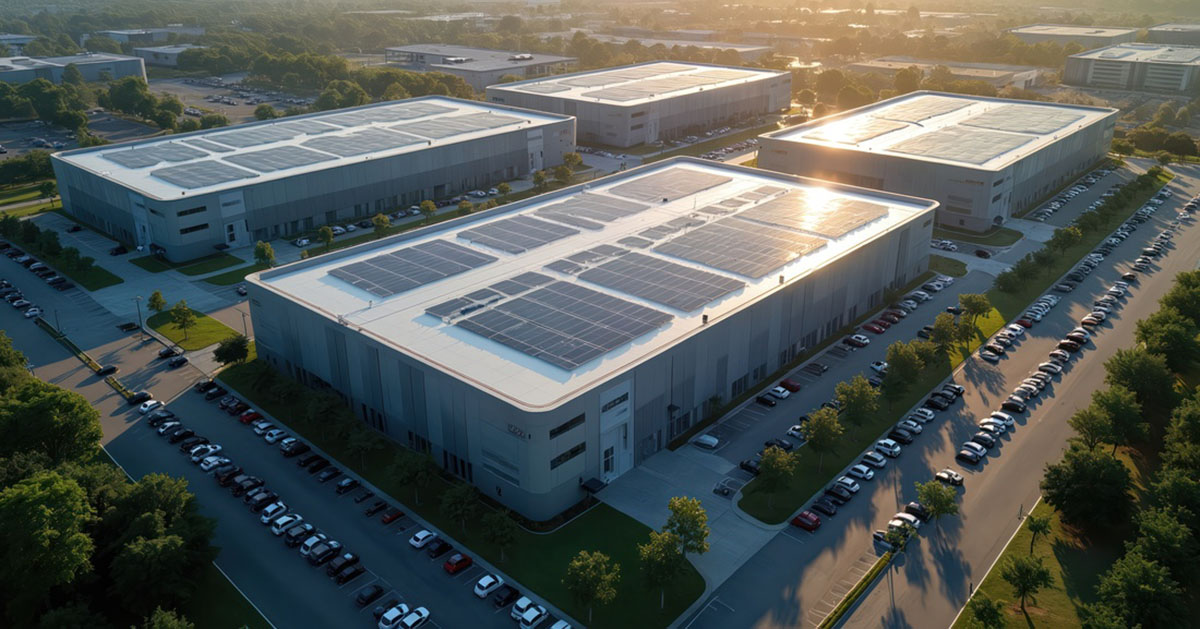
Data centers often get built where power availability is prioritized over pure connectivity, and remote sites can mean limited connectivity, so the app has to work anyway. Power availability can push builds toward remote greenfield sites. A field app that needs a connection to function is mismatched to where the work actually happens. With Fieldwire, crews can use offline access to view downloaded plans, create and edit tasks, drop pins, and capture photos without a connection, and everything syncs when the device is back online. Offline access is available on every tier, including the free plan.
With dozens of disciplines in the same footprint, filtering matters too. Tasks organized around plans and trades keep electricians, HVAC techs, low-voltage specialists, and network technicians each seeing their own scope with less noise from everyone else's. For owners and GCs running multiple campuses, cross-project reporting surfaces patterns like which disciplines consistently fall behind. Fieldwire is construction jobsite management software with customer use cases that include data center and industrial work, and it powers more than 4 million projects worldwide.
Fieldwire can be set up in minutes and adopted quickly, which is what makes it stick with the foremen and superintendents doing the coordination at 6:45 in the morning. On a job where the critical path can carry major financial implications each month, keeping crews and the office on the same page, working from one source of truth, helps protect the go-live date.
Request a demo to see how Fieldwire fits into data center field coordination.


