From punch lists to profits: How Fieldwire helps subcontractors streamline inspections and close out projects faster

Longtime subcontractors understand that a project isn’t complete until the punch list has been cleared and the client has paid. Unfortunately, there could be potential friction and delays along the way. It’s vital to have a clear outline of the project journey, set clear expectations and build trust. Explore the benefits of these improvements and the implications of integrating construction reporting software like Fieldwire.
Construction management improvements for subcontractors through punch lists
Following a punch list for key milestones of a work timeline can result in a smoother journey. Here are three construction project management best practices.
1. Optimizes workplace procedures
Subcontractors can also look forward to utilizing punch lists to enhance their procedures. Gal Cohen — a Field Area Manager at JDM Sliding Doors — notes that he used to be privy to how technology and punch list management can provide special insights into increasing both efficiency and customer satisfaction in the workplace.
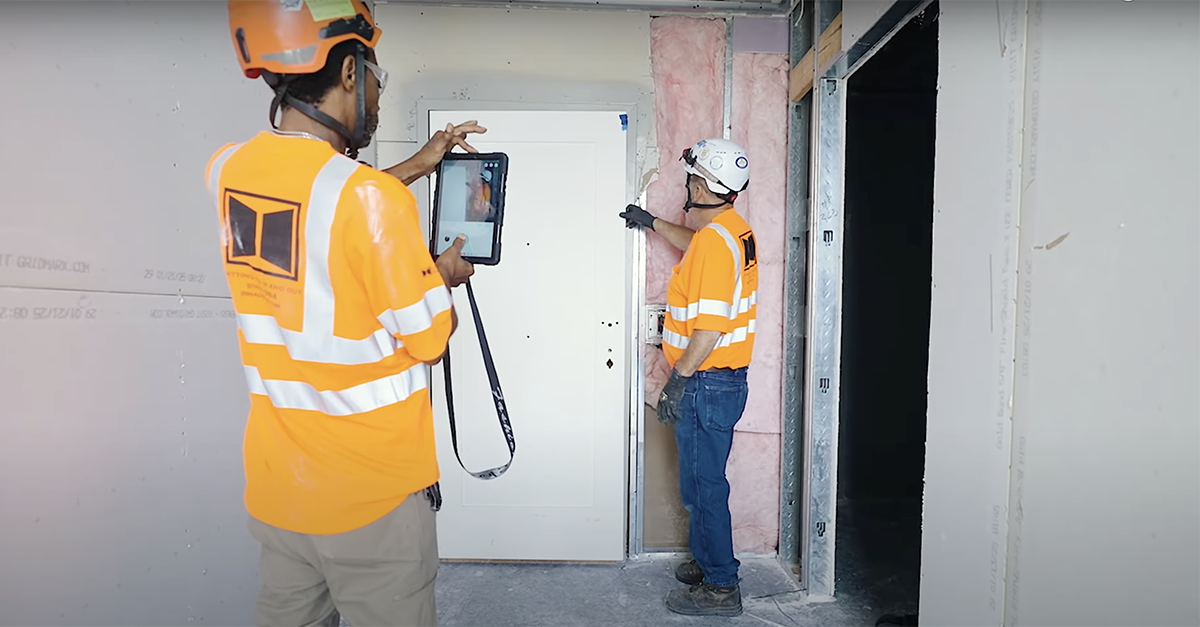
“In my case, punch list software has amounted to a revolution in our workplace procedure,” Cohen states. “We have moved from excessive paperwork and redundant phone calls to a system whereby I am able to see the problems at the jobsite and take digital photos and also to distribute assignments quasi-instantaneously.”
Cohen also highlights a 25% reduction in closure time and an 18% reduction in rework, which enables them to take on more projects. The 30% increase in customer satisfaction also showcases the success of software integration.
That said, the optimization can impact more than just the duration and aftermath of the project timeline. For instance, subcontractors need to perform a meticulous roof examination at least four to six weeks before the actual installation. Using preloaded, standardized checklists helps identify safety hazards early on and reduces the need for costly rework later in the project.

2. Improve client management and relationships
It’s vital to communicate your step-by-step process to a client, but the first step to achieving that is properly organizing your database. Chicago Handyman’s Dan Shirley recalls how he needed an improved way to search clients by name, address, purchase orders and invoices.
“Clients preparing to list their home for sale provide us with a list of items requiring several different trades across multiple days,” Shirley says. “This may include drywall, electrical, painting, millwork and carpentry, plumbing, concrete decking and other specialized trades.”
Aside from reducing labor expenses, the software enables them to expedite job completion by keeping everyone on the same page. It could help with assigning the right person to each portion of the project.
3. Improving profits
Delays in closeout can disrupt cash flow. Real Estate Bees' Strategic Real Estate Advisor Gordy Haynes notes that utilizing construction solutions like estimating software levels the playing field against competitors. “It allows you to lay out the project with cost and a timeline that greatly improves job performance and final punch list and project closeouts,” he explains.
Having a defined cost and timeline can make it easier to mitigate minor delays that can affect your bottom line. It can also help make the budget more comprehensive, especially since there was a 23.5% increase year-on-year in construction material costs from 2021 to 2022.
“As a contractor or sub-contractor, you become one of the top contenders as a bidder as well as a much more accurate and successful business person because you understand to the penny, the cost and margins of your projects,” Haynes reveals. He emphasizes that investing in a top-quality estimating software can give a more precise cost basis.
How Fieldwire helps
Fieldwire is a construction inspection software that helps subcontractors streamline inspections and close out projects faster by digitizing and centralizing the process. Transitioning from paper and email to a real-time mobile platform improves long-term security and accessibility.

Making the most of the Fieldwire punch lists
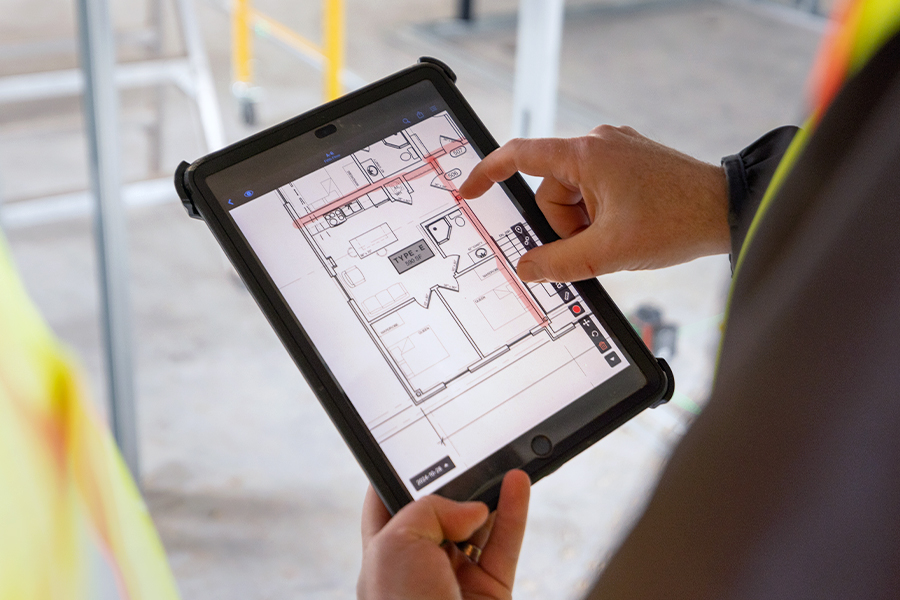
With Fieldwire, you can digitize punch lists from blueprints, photos and other documents. Job data flows seamlessly from field reports to billing and payroll, significantly reducing administrative time and errors. Task creation, assignment and tracking are simple and effective.
Frequently Asked Questions
Below are common questions from subcontractors about Fieldwire construction reporting software.
Who benefits most from Fieldwire? Subcontractors can use the Fieldwire mobile app to document punch list items, deficiencies or inspection points directly on digital blueprints during site walkthroughs, even when offline. Field technicians can also document work with photos, videos, annotations and detailed notes directly within the app.
What does the software provide for real-time communication and collaboration? Fieldwire provides a centralized, cloud-based platform where all subcontractors, inspectors and other stakeholders can access and update information instantly.
What does the software create by assigning specific tasks with deadlines? By assigning specific tasks with deadlines to individuals or teams, Fieldwire promotes clear accountability and productivity.
What does the software provide through detailed reports and dashboards? Fieldwire can provide insights into project performance, labor costs, and common bottlenecks through detailed reports and dashboards.
Taking control of your project’s finish line
Fieldwire is an effective construction project closeout software that can convert punch lists into profits. Subcontractors should go the extra mile in exploring their applications that have transformed established businesses and solidified their reputation as a reliable and efficient partner.