
What is jobsite management and why is it important

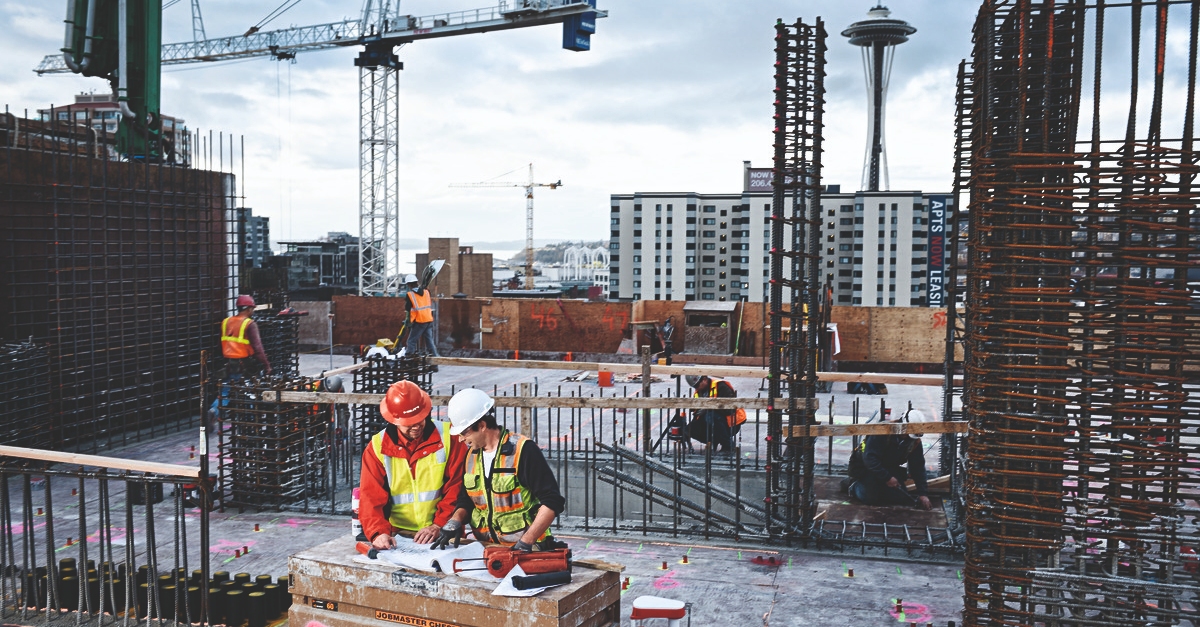
A construction site involves many people doing different tasks at the same time. Jobsite management brings structure to the chaos of daily field activity — coordinating people, materials, equipment, timelines, and safety requirements. It is a complex activity that, when done well, keeps construction projects on track, reduces risks, and ensures that quality standards are met.
Summary
- Jobsite management is the coordination of all onsite activities, resources, and personnel.
- Effective jobsite management improves safety, efficiency, and project quality.
- Poor jobsite management leads to delays, rework, and extra costs.
- Tools like Fieldwire streamline task management and communication to help deliver construction projects on time, with quality and within budget.
What is jobsite management
Jobsite management is the process of coordinating all activities and resources on a construction site so a project can be completed safely, on time, within budget, and to the expected level of quality.
Good jobsite management involves:
- Planning and scheduling of daily and long-term tasks
- Safety management, including enforcing protocols and performing inspections
- Quality control to ensure workmanship meets required standards
- Resource allocation, including workforce, materials, and equipment
- Cost management to keep budgets under control
- Communication and reporting across teams and stakeholders
The site superintendent is typically responsible for managing the jobsite. Their day involves coordinating crews, resolving onsite issues, overseeing safety practices, communicating with subcontractors, and ensuring that work progresses according to schedule.
Why effective jobsite management is important
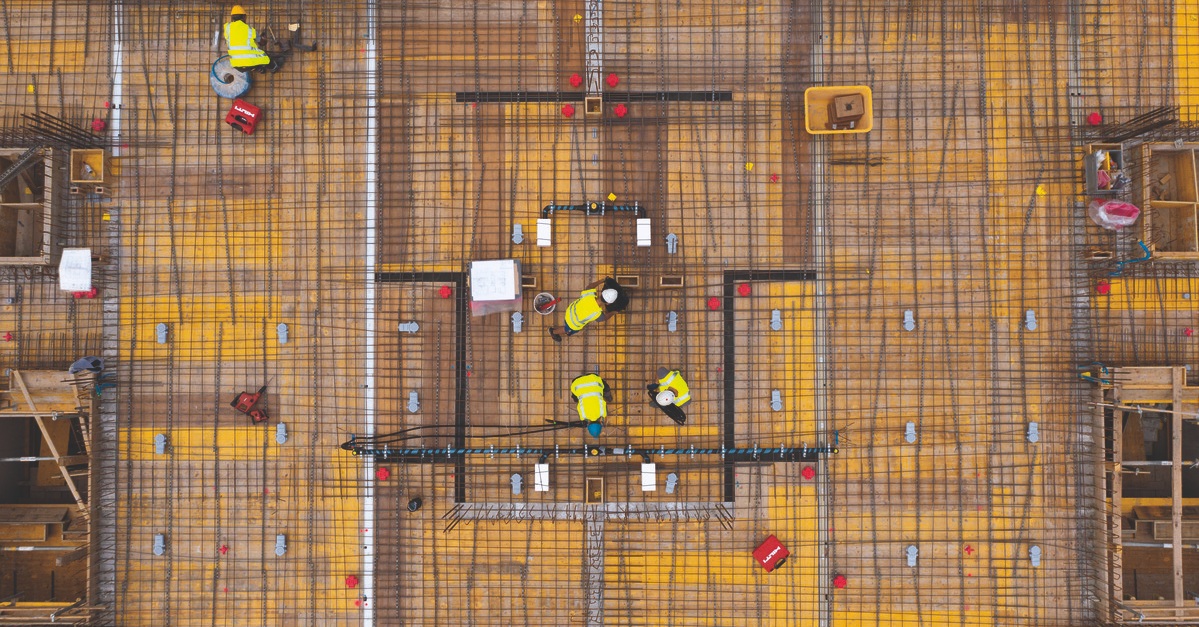
Since a construction site involves many moving parts, a little mistake can have a great impact down the line. That is why effective jobsite management is essential to the success of any construction project.
Without progress tracking, issues can go unnoticed and become major schedule overruns. Miscommunication can lead to rework as crews may not receive important updates on time. Poor scheduling wastes labor hours and causes bottlenecks. And a lack of safety oversight increases the likelihood of accidents and fines.
But, when jobsite management is done well:
- Projects stay on schedule and within budget.
- Jobsite safety improves, reducing accidents and penalties.
- Communication flows smoothly, minimizing conflicts and delays.
- Clients receive higher-quality results and better overall service.
Strategies for effective jobsite management
Implementing jobsite management best practices can be challenging, but it’s essential for keeping construction projects safe, efficient, and on track.
Set clear goals and priorities
Well-defined goals ensure everyone understands what needs to be accomplished and by when. Priorities keep the team focused on the most critical tasks, and avoid wasting time with non-essential work.
Plan and schedule tasks in advance
Early planning ensures that teams, equipment, and materials are available when needed. Strong scheduling avoids overlap between trades and reduces downtime caused by unexpected delays. For example, if the drywall crew arrives before the electricians have finished their work, the day is lost to rework and rescheduling.
Manage costs and resources effectively
Tracking budgets and monitoring material usage is an essential part of construction management. But managing resources effectively also means anticipating shortages or delivery delays, and reallocating unused materials or labor to areas where they’re needed most, preventing work from stalling.
Choose the right jobsite management software
The right software can help your teams be more productive. Fieldwire is a jobsite management app that makes progress tracking easy. It offers a centralized platform where teams can share documents and updates, communicate in real-time, keep track of what’s being done, and create reports in a few seconds.
Streamline communication
Clear and transparent communication makes it easier to clarify responsibilities, align expectations, and quickly resolve conflicts. When everyone is informed, teamwork improves and mistakes decrease.
Constantly monitor progress
By doing regular check-ins, managers can address potential risks before they escalate and adjust schedules as needed. This prevents small setbacks from compounding into major delays.
Make safety a priority
Safety oversight must be continuous and proactive. Enforcing safety protocols, conducting regular inspections, and providing training can reduce the risk of accidents. A strong safety culture protects workers, minimizes downtime, and helps avoid fines, injuries, and lawsuits.
See how Fieldwire can transform your jobsite management - try it free today.

Benefits of effective jobsite management
Investing in good tools and strategies can make jobsite management easier and more efficient. Making the improvements mentioned above can deliver significant benefits:
Greater time and cost efficiency
Strong planning, scheduling, and resource allocation reduce downtime and prevent additional costs. Tools like Fieldwire make it easier to manage tasks and track progress in real time.
Fewer delays
Jobsite management tools and clear processes enhance coordination among teams, minimizing disruptions and setbacks. Fieldwire centralizes tasks, documents, and updates so everyone stays aligned and informed.
Improved safety
Regular inspections, proper oversight, and consistent safety protocols reduce accident risks and help avoid fines or legal issues.
Greater client satisfaction
Delivering work on time, on budget, and at the required quality level leads to happier clients and stronger long-term relationships.
Manage your jobsite efficiently with Fieldwire
Effective jobsite management is essential for keeping construction projects safe, organized, and efficient. By applying strong management strategies and using the right tools, teams can reduce delays, stay within budget, maintain high-quality standards, and ensure safe working conditions. Fieldwire streamlines the entire process by centralizing tasks, documentation, and communication. With everything in one platform, it becomes much easier to keep projects on track and deliver the results clients expect.
Make jobsite management easier with Fieldwire — get started for free today.


