
VR training in construction: does simulated experience actually improve real-world performance
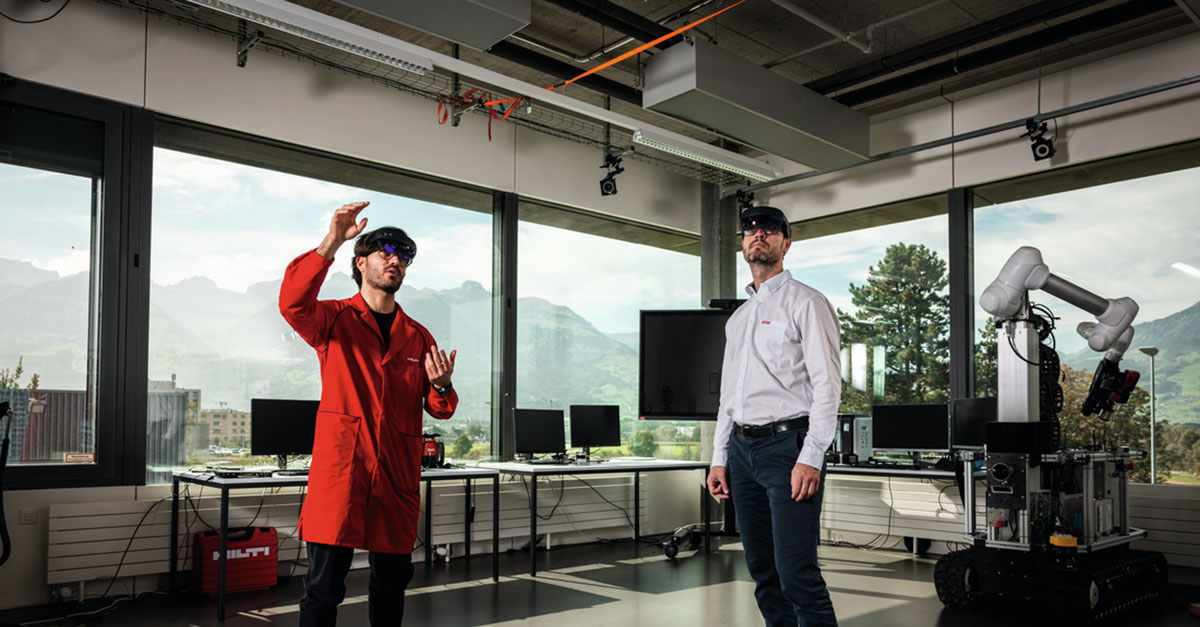
Construction is a hands-on industry, but today's projects demand more. Skilled labor shortages, stricter safety requirements and increasingly complex equipment mean workers need to be job-ready before stepping onto an active site. Virtual reality (VR) training offers a practical solution: crews can practice high-risk simulations without exposing people or equipment to danger.
It improves hazard recognition, skill retention and training consistency. The question isn't whether it has value, but how effectively you integrate it into your existing workforce development.
Key takeaways
- VR complements construction training.
- Immersive simulations improve hazard recognition, procedural learning and confidence before workers enter the field.
- Construction companies can reduce costly mistakes if employees can practice difficult scenarios repeatedly in a risk-free environment.
- The biggest challenges include hardware costs, developing quality training content and integrating VR into existing safety programs.
- The best results come from pairing virtual learning with classroom instruction, mentoring and supervised field experience.
The tech landscape shaping modern construction
Construction companies must deliver projects fast while maintaining high safety standards, despite the shortage of experienced workers. Firms must rethink how they recruit, train and retain skilled employees to stay profitable. By investing in digital tools, you improve productivity beyond what traditional methods offer.
The challenges posed by the industry’s labor shortage have made high-tech onboarding methods and tools, such as VR, crucial. When experienced workers retire faster than you can hire replacements, every new employee must become productive quickly without compromising safety or quality.
VR fits into a much broader wave of innovation. Alongside artificial intelligence, robotics, drones and connected equipment, immersive technologies can help contractors modernize product delivery and workforce development. According to industry trends, companies continue adopting advanced digital tools to improve efficiency, sustainability and worker safety, with VR and augmented reality becoming increasingly common across training and planning applications.
The case for virtual reality in construction
Traditional construction training still plays an essential role, but it has limitations. Classroom presentations rarely prepare the newer members of your team to make split-second decisions on an active jobsite. Live demonstrations depend heavily on instructor availability, weather conditions and project schedules, while practicing dangerous procedures in the field carries obvious risks.
VR addresses many of those limitations. It allows workers to experience realistic jobsite conditions without real-world consequences. This can be useful when training your team to operate advanced machinery or operate within confined spaces. Whether you're teaching fall protection procedures or crane operations, trainees can make mistakes, receive immediate feedback and repeat exercises until they demonstrate competence, without endangering themselves or your reputation.
Unlike traditional learning methods, immersive simulations encourage active participation. Simulating hands-on experience helps bridge the gap between knowing a procedure and confidently performing it when the stakes are high.
How VR can help train a stronger workforce
The greatest value of VR lies in its ability to prepare workers to be confident and safe.
Enhancing safety and master hazard recognition
Construction remains one of the world's most dangerous industries, with 1,032 construction or extraction worker fatalities in 2024. Many incidents stem from preventable mistakes rather than equipment failure.
Research suggests that nearly half of workplace accidents result from avoidable human error, making better preparation one of the most effective roads to safety. VR exposes workers to hazards they may not encounter during conventional training, including unstable trenches, electrical risks, equipment malfunctions and falls from height. Because the environment is simulated, trainees can make mistakes, learn from them and immediately repeat the exercise without real-world consequences or avoidable costs.
Research has found immersive simulations are effective for safety drills and education, helping workers recognize hazards, follow procedures and respond more confidently during emergencies. Instead of relying solely on written protocols, crews gain practical experience, making them more productive from day one.
Improving skill acquisition and long-term retention
Construction skills improve through repetition, and VR makes practice safe with significant upskilling potential. Workers can operate equipment, follow installation procedures or complete inspections as many times as necessary in the virtual environment without disrupting active projects or tying up expensive machinery. The immersive nature of this technology supports stronger knowledge retention than passive learning.
Boosting engagement with hands-on experiential learning
Interactive simulations encourage active decision-making. Trainees inspect hazards, operate machinery and solve problems in real time, creating stronger engagement throughout each session.
The technology has diverse applications. Project managers can use it to familiarize crews with complex jobsites before construction begins, while clients and stakeholders can virtually walk through projects to identify design concerns. A shared understanding improves communication and reduces misunderstandings before they become costly field changes.
How to overcome practical hurdles to VR adoption
VR offers a measurable return on investment (ROI) if implemented thoughtfully. Before investing in headsets and software, ensure you understand the operational and financial commitments required for success.
Cover the initial investment and hardware costs
Initial investments can be difficult to justify, especially when your business is still growing. Commercial-grade headsets, compatible computers, software licenses and ongoing maintenance all add up. It takes employees time to complete training sessions.
Looking beyond the purchase price puts the investment into perspective. Fewer safety incidents, reduced equipment damage, lower rework costs and faster onboarding can all contribute to a positive return over time. When you regularly hire new workers or operate high-risk equipment, you’ll see the greatest long-term value.
Develop custom content for your trades
Generic modules provide a useful introduction to construction safety, but they rarely reflect the daily challenges your teams face. Electricians, concrete contractors, steel erectors and heavy equipment operators each require different training scenarios.
Custom content allows you to recreate your own equipment, workflows and jobsite hazards, making the experience far more relevant. The trade-off is additional development time and cost. Many organizations start with commercially available safety modules before expanding into custom simulations as their programs mature.
Tips to implement an effective VR training program
A successful VR rollout is about more than buying hardware. You will need a structured implementation plan that leverages technology to support your existing training.
Start with clear training goals and success metrics
Begin by identifying where your team needs improvement. Your objective might be to reduce fall incidents, improve lockout procedures or help new equipment operators become productive more quickly. Decide on measurable outcomes before launching your program.
Consider tracking:
- Safety performance: Fewer incidents, near misses or OSHA recordables
- Training efficiency: Reduced onboarding time or fewer instructor hours
- Worker competency: Higher assessment scores or faster certification
- Operational performance: Less material waste, equipment damage or rework
Choose the right VR platform and content partner
VR solutions serve many purposes. Some platforms focus on equipment operation, while others specialize in safety training or project visualization.
As you evaluate vendors, consider:
- Hardware compatibility: Stand-alone headsets often simplify deployment across multiple jobsites.
- Industry expertise: Look for providers with proven construction experience rather than general corporate training.
- Content flexibility: Ensure scenarios can grow as your workforce and project requirements change.
- Reporting capabilities: Performance data should integrate easily into your existing training records.
Integrate VR into your existing safety protocols
VR works best when used alongside your existing training program. Workers still need classroom instruction, mentorship and supervised field experience to enhance their real-world judgment.
You might think of it as another layer of preparation. New employees can complete virtual safety exercises before arriving on-site, while experienced workers can use simulations to refresh rarely performed procedures or prepare for unfamiliar equipment. A blended approach reinforces learning at every stage of your staff’s careers while creating a more consistent training experience for your team.
Building a more prepared team with VR
Hands-on experience is always valuable, but VR can make your workforce safer, more confident and better prepared before work begins. When integrated into your existing training program, it becomes a practical investment in stronger performance, fewer incidents and more consistent project outcomes.
VR is one of several technologies reshaping how contractors plan, build and train. For a broader look at the tools gaining traction on jobsites, from AI to connected equipment, read our blog on construction tech.
Frequently asked questions about VR in construction
Modern systems recreate jobsite environments with impressive accuracy, allowing your team to interact with equipment, tools and hazards in ways that closely mirror real conditions. While it cannot recreate physical challenges, the technology is highly effective for procedural training.
VR benefits nearly every construction discipline, though some roles see greater advantages than others. Equipment operators, electricians, welders, ironworkers and those performing high-risk tasks often gain the most from immersive simulations.
Start by tracking the outcomes that matter most to your business. Compare performance by looking at safety improvements, training efficiency, operational savings and workforce performance.


